Archives
- 2026-06
- 2026-05
- 2026-04
- 2026-03
- 2026-02
- 2026-01
- 2025-12
- 2025-11
- 2025-10
- 2025-09
- 2025-03
- 2025-02
- 2025-01
- 2024-12
- 2024-11
- 2024-10
- 2024-09
- 2024-08
- 2024-07
- 2024-06
- 2024-05
- 2024-04
- 2024-03
- 2024-02
- 2024-01
- 2023-12
- 2023-11
- 2023-10
- 2023-09
- 2023-08
- 2023-07
- 2023-06
- 2023-05
- 2023-04
- 2023-03
- 2023-02
- 2023-01
- 2022-12
- 2022-11
- 2022-10
- 2022-09
- 2022-08
- 2022-07
- 2022-06
- 2022-05
- 2022-04
- 2022-03
- 2022-02
- 2022-01
- 2021-12
- 2021-11
- 2021-10
- 2021-09
- 2021-08
- 2021-07
- 2021-06
- 2021-05
- 2021-04
- 2021-03
- 2021-02
- 2021-01
- 2020-12
- 2020-11
- 2020-10
- 2020-09
- 2020-08
- 2020-07
- 2020-06
- 2020-05
- 2020-04
- 2020-03
- 2020-02
- 2020-01
- 2019-12
- 2019-11
- 2019-10
- 2019-09
- 2019-08
- 2019-07
- 2019-06
- 2019-05
- 2019-04
- 2018-07
-
The srd a isoforms showed unique expression profiles in
2024-11-08
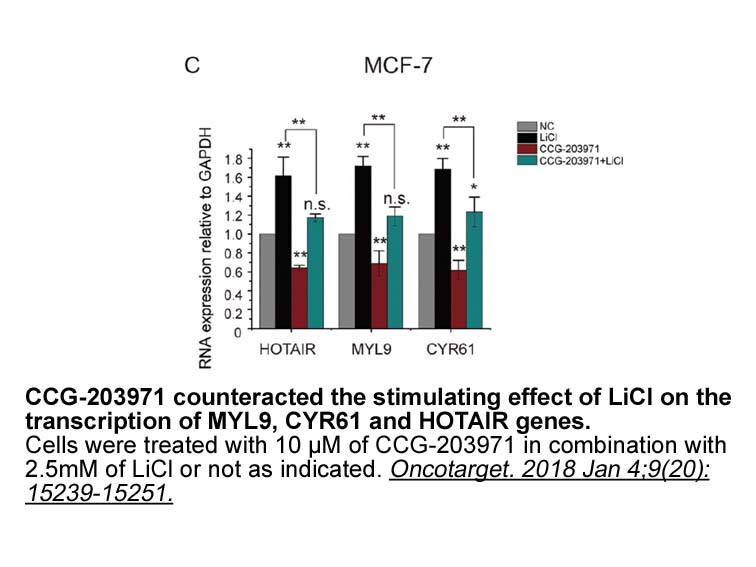
The srd5a isoforms showed unique expression profiles in early FHM development (Fig. 2). Similar to amphibian embryos, there was a high abundance of both srd5a1 and srd5a3 at 1dpf in FHMs, suggesting that mRNA for these enzymes may be maternally deposited and that these enzymes may play a key role in
-
However although in vitro studies
2024-11-08
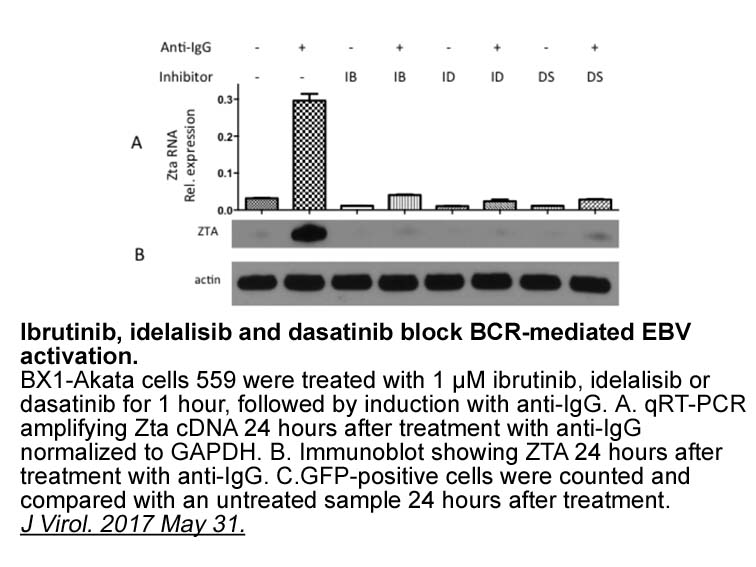
However, although in vitro studies in heterologous systems have provided very important indications of potential novel pharmacology, the studies with endogenous receptors in native tissues are essential to provide evidence for GPCR heteromerization in vivo and to confirm its physiological relevance.
-
br Conclusions br Conflicts of interest
2024-11-08
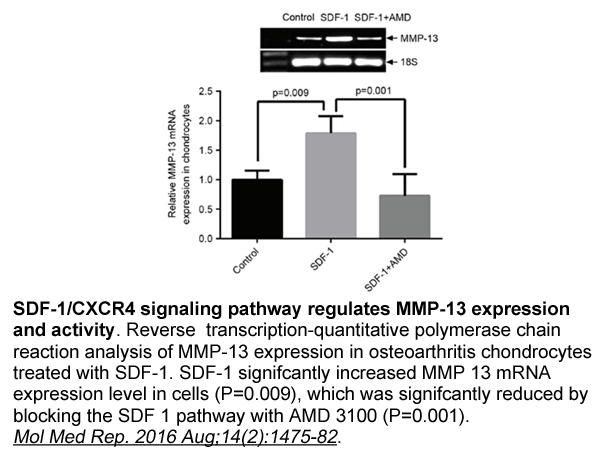
Conclusions Conflicts of interest Acknowledgements This work was supported by Ege University Research Fund [BAP, 14-ECZ-030, 2016]. Introduction The interest in the effects of endocrine disrupting chemicals (EDCs) in the aquatic environment continues to increase over the past decade, s
-
What can we learn about the anticancer therapeutic
2024-11-07

What can we learn about the anticancer therapeutic efficacy of Aurora kinase inhibitors from our experience with the Bcr-Abl inhibitors and the long term clinical consequence of their use in treating leukemias? As discussed, all Aurora kinase inhibitors developed to date are ATP-competitive inhibito
-
Whole body loss of ACLY is early
2024-11-07
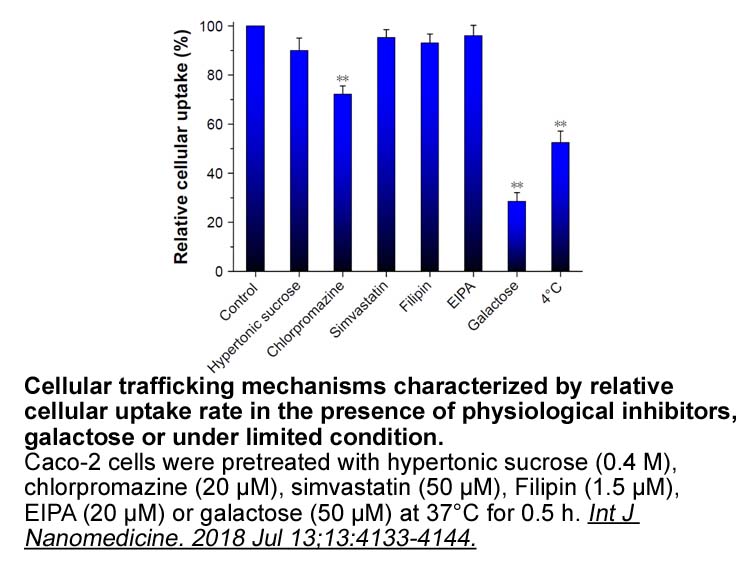
Whole-body loss of ACLY is early embryonic lethal, indicating that it serves non-redundant roles during development (Beigneux et al., 2004). Silencing or inhibition of ACLY suppresses the proliferation of many cancer cell lines and impairs tumor growth (Bauer et al., 2005, Hanai et al., 2012, Hatziv
-
In the nineties we knew that baclofen was the stereo
2024-11-07
In the nineties we knew that (-)baclofen was the stereo-selective ligand for the GABAB receptor which had been recognised by Norman Bowery as a receptor for GABA, which was different from the GABAA receptor (Hill and Bowery, 1981). GABAB receptor antagonists were also synthesised and made available
-
br In vivo visualization of aromatase with positron emission
2024-11-07

In vivo visualization of aromatase with positron emission tomography (PET) Positron emission tomography (PET) utilizes the high BAY 57-1293 photons formed during the annihilation of positrons to detect the changes in the amount and localization of injected radiopharmaceuticals in the living body
-
Expression subcellular localization transcriptional activity
2024-11-07
Expression, subcellular localization, transcriptional activity and protein stability of Foxo are regulated by proteins such as STAT3, PKB, JNK and AMPK (Sun et al., 2017; Zhang et al., 2011). STAT3 is a member of the signal transducer and activator of transcription (STAT) protein family that plays c
-
As a neuropeptide Apelin also has a
2024-11-07
As a neuropeptide, Apelin also has a critical role in cardiovascular diseases. Systemic administration of Apelin exert vasodilatory and antihypertensive effects [33]. Meanwhile, the apelin-APJ signal transduction pathway is related to age-associated cardiovascular diseases [34]. It has been known th
-
The finding of the apelin APJ axis represents an
2024-11-07
The finding of the apelin/APJ axis represents an impressive event in cardiovascular studies. As a result of various experimental and clinical studies conducted in vivo and in vitro, it has been indicated that apelin/APJ is a crucial mediator of cardiovascular homeostasis, which takes part in the pat
-
Apelin is a bioactive peptide and endogenous
2024-11-07
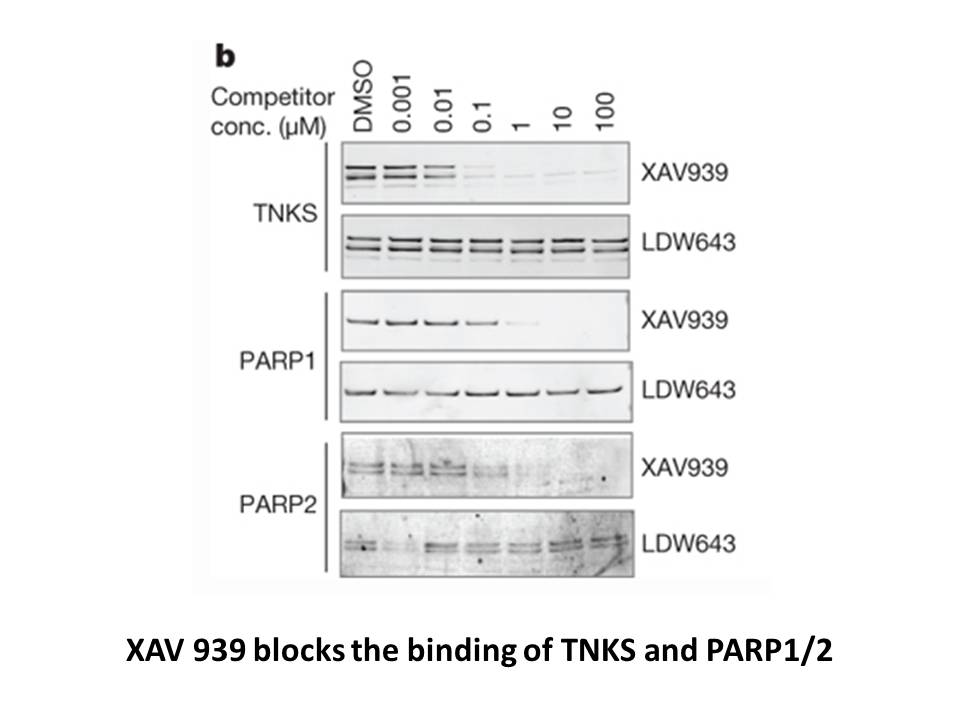
Apelin is a bioactive peptide and endogenous ligand for the APJ receptor (APLNR), a member of the G protein coupled receptor family that shares a similar sequence as the angiotensin type-1 receptor (AT1) [5]. Early studies demonstrated that the apelin/APLNR receptor axis plays a significant role in
-
The mechanism governing how mechanotransduction signals regu
2024-11-07
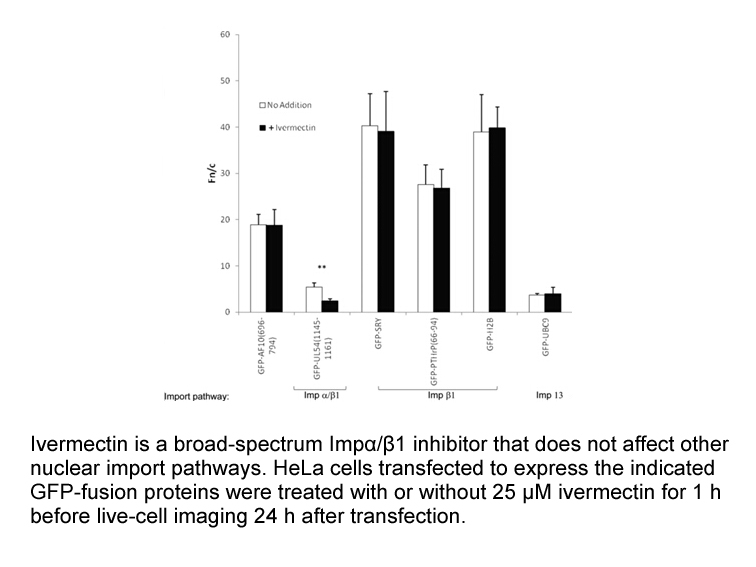
The mechanism governing how mechanotransduction signals regulate a number of genes involved in cartilage hemostasis remains unclarified. Mitogen-activated protein kinase (MAPK) pathways are activated by static and dynamic compression of cartilage (31 32). c-Fos/AP-1 is downstream of the MAPK pathway
-
Of the cardiovascular studies involving ARBs reported
2024-11-07
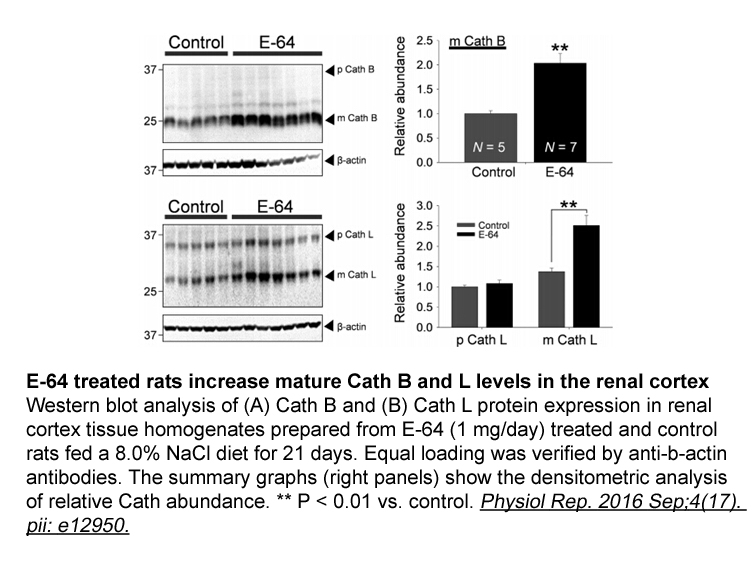
Of the cardiovascular studies involving ARBs, 3 reported renal outcomes. In the Losartan Intervention For Endpoint study, albuminuria was observed less frequently in the losartan than in the atenolol arm (7% vs. 13%; p=0.002) (5). In the Candesartan Antihypertensive Survival Evaluation in Japan tria
-
br Competing interests br Acknowledgments This research was
2024-11-07
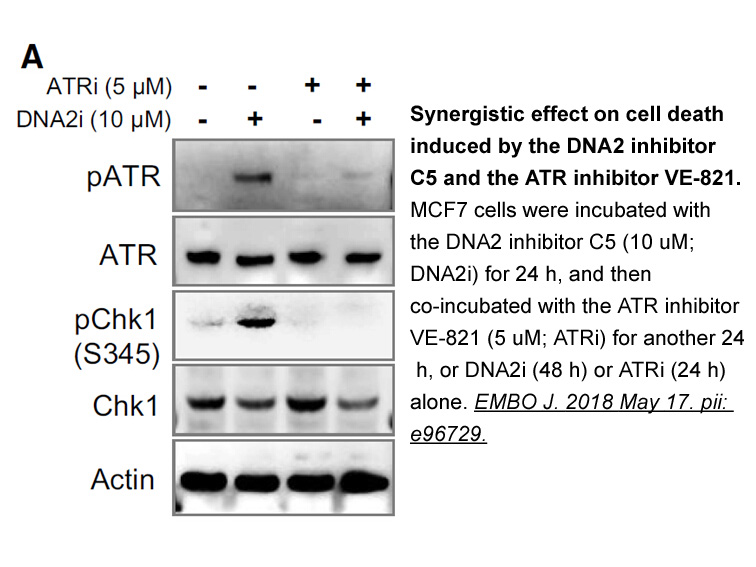
Competing interests Acknowledgments This research was supported by Basic Science Research Program through the National Research Foundation of Korea (NRF) funded by the Ministry of Science and ICT (NRF-2014R1A4A1071040). Introduction Mitochondria occupy an important position as mediators of
-
br Conclusions br Conflict of
2024-11-07
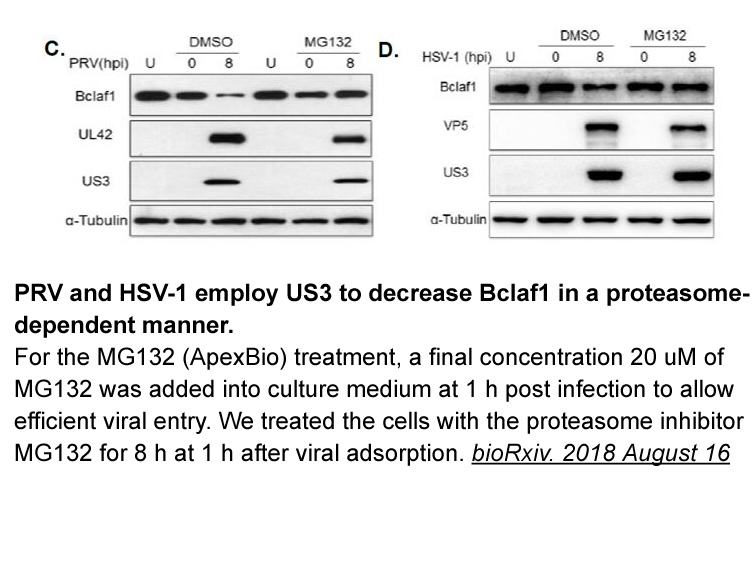
Conclusions Conflict of interest Introduction Plants often encounter a series of abiotic stresses during the growth process, including high salinity, extreme temperatures and drought (Knight and Knight, 2001). Plants can adapt through ionic and osmotic homeostasis or osmotic adjustment, con
16381 records 82/1093 page Previous Next First page 上5页 8182838485 下5页 Last page