Archives
- 2026-06
- 2026-05
- 2026-04
- 2026-03
- 2026-02
- 2026-01
- 2025-12
- 2025-11
- 2025-10
- 2025-09
- 2025-03
- 2025-02
- 2025-01
- 2024-12
- 2024-11
- 2024-10
- 2024-09
- 2024-08
- 2024-07
- 2024-06
- 2024-05
- 2024-04
- 2024-03
- 2024-02
- 2024-01
- 2023-12
- 2023-11
- 2023-10
- 2023-09
- 2023-08
- 2023-07
- 2023-06
- 2023-05
- 2023-04
- 2023-03
- 2023-02
- 2023-01
- 2022-12
- 2022-11
- 2022-10
- 2022-09
- 2022-08
- 2022-07
- 2022-06
- 2022-05
- 2022-04
- 2022-03
- 2022-02
- 2022-01
- 2021-12
- 2021-11
- 2021-10
- 2021-09
- 2021-08
- 2021-07
- 2021-06
- 2021-05
- 2021-04
- 2021-03
- 2021-02
- 2021-01
- 2020-12
- 2020-11
- 2020-10
- 2020-09
- 2020-08
- 2020-07
- 2020-06
- 2020-05
- 2020-04
- 2020-03
- 2020-02
- 2020-01
- 2019-12
- 2019-11
- 2019-10
- 2019-09
- 2019-08
- 2019-07
- 2019-06
- 2019-05
- 2019-04
- 2018-07
-
Weak and transient interactions of HMGB proteins in such hit
2024-08-29
Weak and transient interactions of HMGB proteins in such hit-and-run mechanisms are understandable given that “fluorescence loss in photobleaching” (FLIP) experiments employing GFP-labeled HMGBs have shown that in living cells they are the most mobile of all nuclear proteins [144]. The entire pool o
-
Plant pathogenic fungi have caused a lot of economic losses
2024-08-29
Plant pathogenic fungi have caused a lot of economic losses to agricultural production worldwide every year. It is necessary to develop an bio-sourced antifungal agent for agricultural use. Many researches have shown that the antifungal activity of quaternized chitosan derivatives is mainly affected
-
A central question that arises in this discussion is whether
2024-08-29

A central question that arises in this discussion is whether enhanced neurobehavioral responses to food cues emerge as a consequence of weight gain, or whether there are intrinsic differences in the motivational responses to food cues that precede weight gain. In support of pre-existing differences,
-
br Material and methods br Results br
2024-08-29
Material and methods Results Discussion RSV is a major cause of lower respiratory tract infections in infancy and early childhood. Several observations suggest that immunological mechanisms may be the key to understand the severity of RSV bronchiolitis in infancy. Several laboratories have
-
Adiponectin also works on AdipoR inducing extracellular
2024-08-29
Adiponectin also works on AdipoR1, inducing extracellular Ca2+ influx necessary for activation of Ca2+/calmodulin-dependent protein kinase kinase (CaMKK)β, AMPK (Fig. 1). This step is then followed by activation of SirT1 and increased expression and decreased acetylation of PPARγ coactivator (PGC)-1
-
In the previous study we demonstrated
2024-08-29
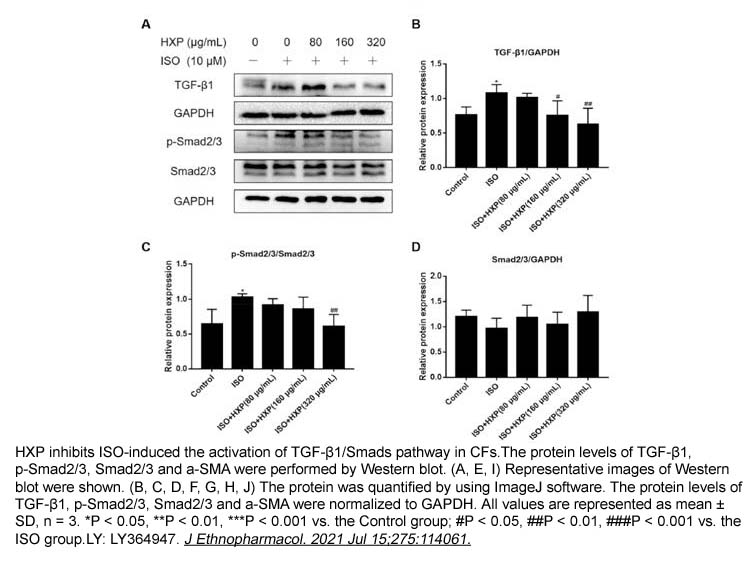
In the previous study, we demonstrated the importance of the mPFC postsynaptic 5-HT1A receptor in the sustained antidepressant effects, because a sustained antidepressant effect was obtained with intra-mPFC injection, but not systemic injection of 8-OH-DPAT, a 5-HT1A receptor agonist (Fukumoto et al
-
Given that there are substitutions between
2024-08-28
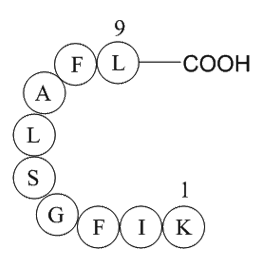
Given that there are 132 substitutions between βAnc and the human β subunit, we wondered whether βAnc could replace the human β subunit in hybrid AChRs formed from ancestral and human subunits. We first confirmed that the β subunit is required for expression of human AChRs in HEK293 VU590 hydrochlor
-
The cellular mechanism underlying the CGS mediated
2024-08-28
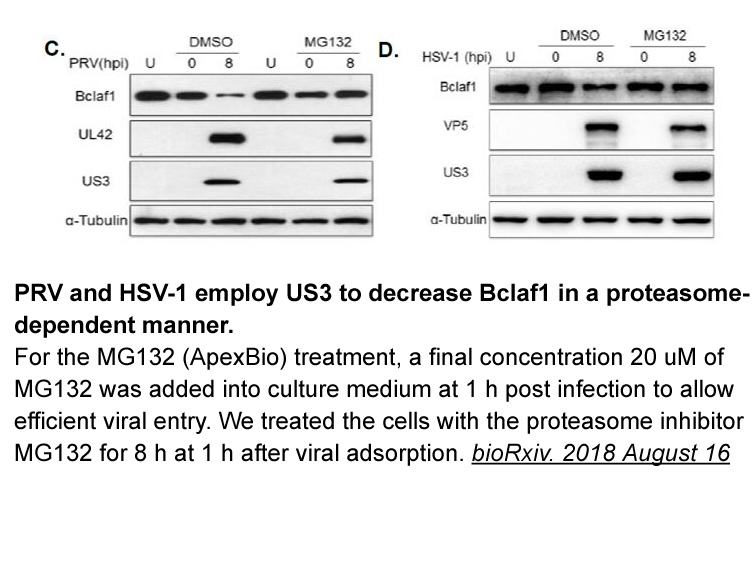
The cellular mechanism underlying the CGS12066-mediated inhibition of glutamate release from hippocampal nerve terminals through presynaptic 5-HT1B receptors remains to be elucidated. 5-HT1B receptors are coupled to PTX-sensitive G proteins (Gi or Go) that have been shown to inhibit AC activity as w
-
It is important to note that stable
2024-08-28
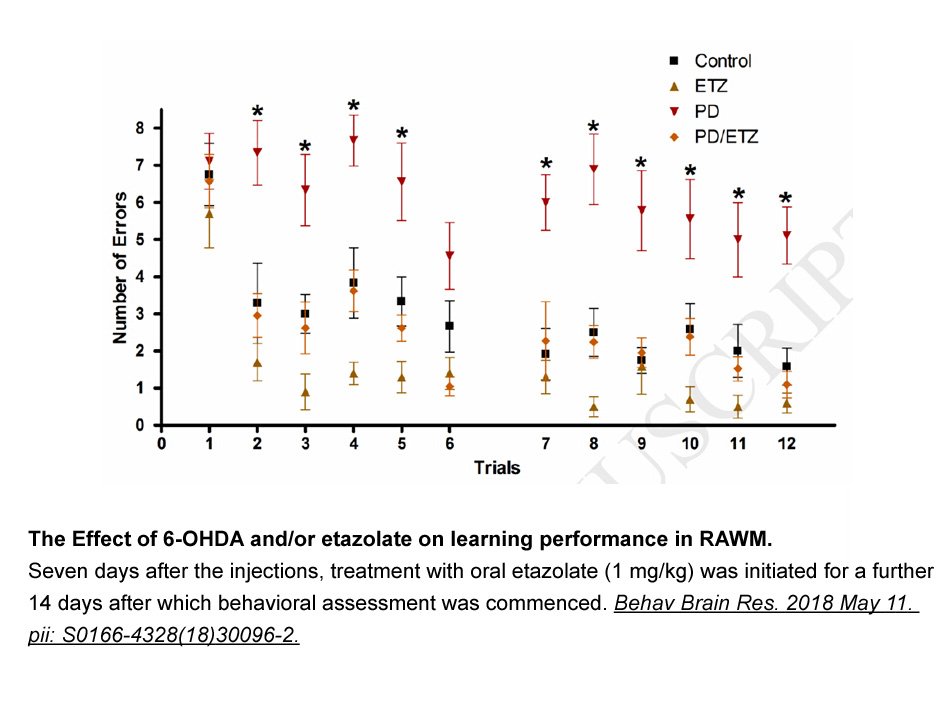
It is important to note that stable amnesia is, apparently, a general biological phenomenon and can be found in different animal species. In studies on rats, it was found that if reconsolidation of conditioned olfactory aversion memory was impaired by the antagonist of NMDA glutamate receptors, amne
-
MK-0822 Regarding brain tumors AXL has been implicated in
2024-08-28
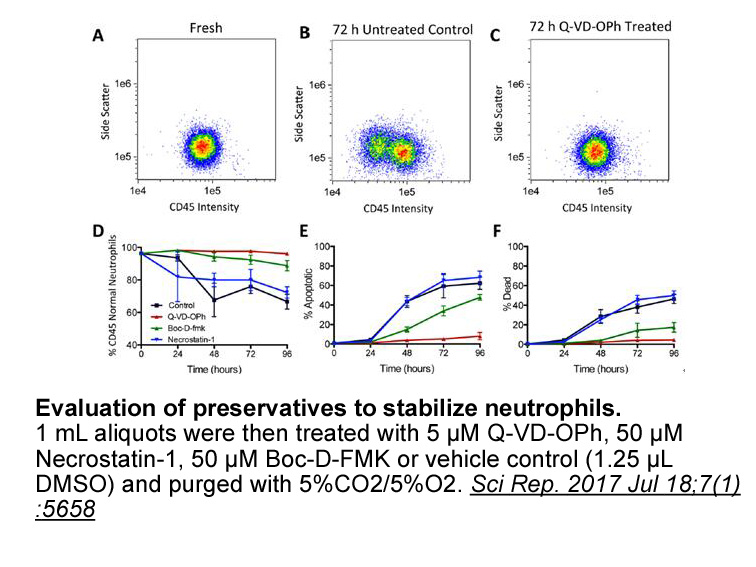
Regarding MK-0822 tumors, AXL has been implicated in gliomagenesis and chemoresistance [39]. Previous investigations found that AXL is constitutively phosphorylated in many glioma cell lines, murine xenograft tumors and primary patient tumor samples [40]. Immunohistochemical analysis of AXL and Gas6
-
Matrix metalloprotease inhibitors are increasingly available
2024-08-28
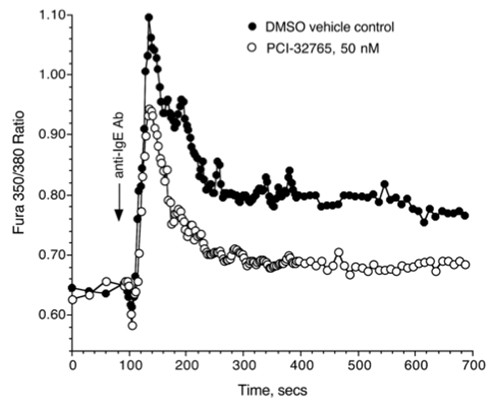
Matrix metalloprotease inhibitors are increasingly available and tested for other indications in clinical trials. The present study suggests that either ADAM10 or TACE inhibition alone will not maximally restore leukocyte Axl function. We found that lower doses of ADAM10/TACE inhibitors exhibit simi
-
Mouse iPSC Chemical Reprogramming Cocktails Kit The identifi
2024-08-28
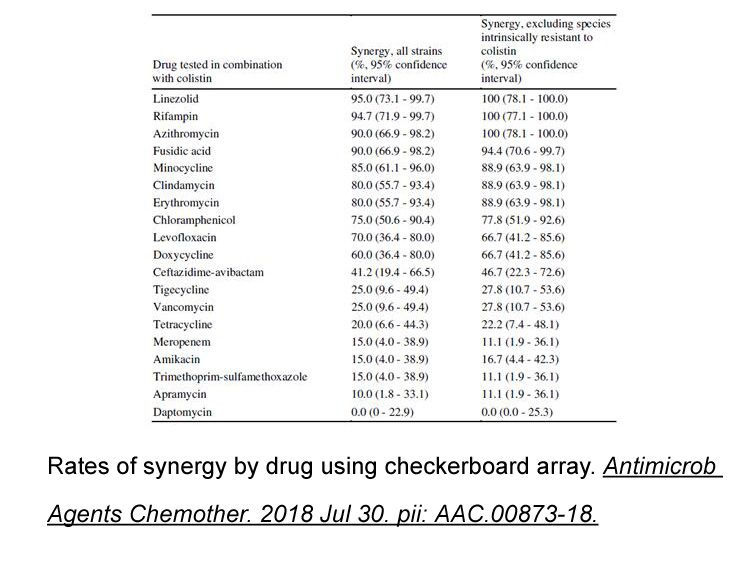
The identification of novel kinase inhibitor scaffolds is highly desirable in order to develop selective kinase inhibitors. Small-molecule inhibitors of Interleukin-2-inducible T-cell kinase (Itk) that are based on the 3-aminopyridin-2-one fragment 1 have been reported. Despite derivatisation of 1 y
-
We have recently reported a regulatory effect of quercetin
2024-08-28
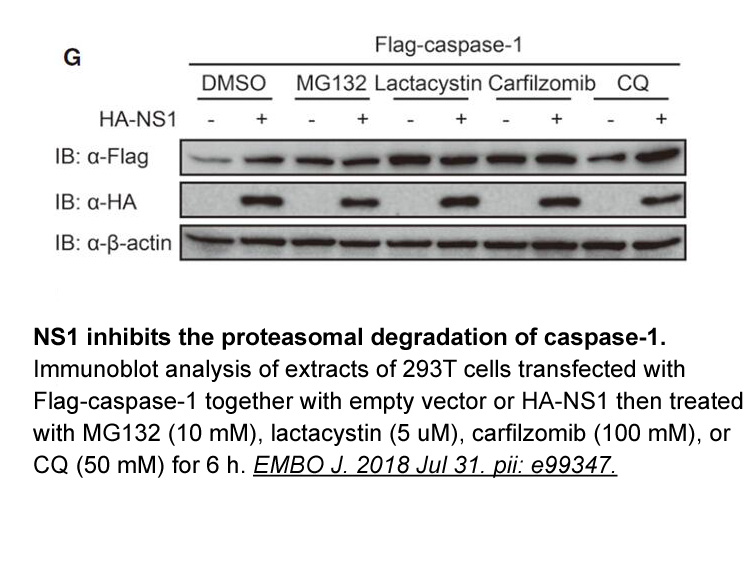
We have recently reported a regulatory effect of quercetin on the AChE activity in the brainstem during the demyelination and remyelination process [17]. It has also been observed that there is a protective effect on lipid peroxidation and worsening of motor functions caused by loss of myelin in the
-
The evidence points toward a role for LO activity
2024-08-28

The evidence points toward a role for 12/15-LO activity in WAT in modulating chronic local inflammation and subsequent systemic metabolic decline in the obese state. However, little is known as to the role of 12- and 15-LOs in BAT. Indeed, in addition to WAT, platelet- and leukocyte-type 12-LO are e
-
Because R gene is positively regulated
2024-08-28
Because 5α-R2 gene is positively regulated by T and in the prostate gland (Torres et al., 2003), and our BPA-treated rats showed decreased circulating T and probably intraprostatic androgen levels, it might be responsible for the decrease of 5α-R2 expression. However, in a previous work using castra
16381 records 119/1093 page Previous Next First page 上5页 116117118119120 下5页 Last page