Archives
- 2026-09
- 2026-08
- 2026-07
- 2026-06
- 2026-05
- 2026-04
- 2026-03
- 2026-02
- 2026-01
- 2025-12
- 2025-11
- 2025-10
- 2025-09
- 2025-03
- 2025-02
- 2025-01
- 2024-12
- 2024-11
- 2024-10
- 2024-09
- 2024-08
- 2024-07
- 2024-06
- 2024-05
- 2024-04
- 2024-03
- 2024-02
- 2024-01
- 2023-12
- 2023-11
- 2023-10
- 2023-09
- 2023-08
- 2023-07
- 2023-06
- 2023-05
- 2023-04
- 2023-03
- 2023-02
- 2023-01
- 2022-12
- 2022-11
- 2022-10
- 2022-09
- 2022-08
- 2022-07
- 2022-06
- 2022-05
- 2022-04
- 2022-03
- 2022-02
- 2022-01
-
The discovery that GLUT in the microvasculature represents a
2022-01-29
The discovery that GLUT1 in the microvasculature represents an important target of VEGF thereby affecting Apoptozole function is highly relevant. The work of Jais et al. identified VEGF as a determining player in the regulation of cognitive performance and provides an important link to the unfavora
-
Ethanol decreased the value of desensitization
2022-01-29
Ethanol decreased the τ-value of desensitization for GluR-Di. Coexpression of stargazin or γ4 further increased the effect of ethanol on desensitization (Fig. 3A, B). The highest ethanol concentration tested (200mM) reduced the τ-value by 16.5±4.9% (n=5) in the control receptors and by 29.3±9.3% (n=
-
Lsodren Whereas accurate measurement of glucagon in humans h
2022-01-29
Whereas accurate measurement of glucagon in humans has been possible since the early 1950s proper measurements in rodents, have not. That said, plasma concentrations of glucagon have been reported in rodent studies [21] using C-terminal specific methods but what has been lacking is the secretory dyn
-
Chrysin As with the GSIs there are
2022-01-29
As with the GSIs, there are again major concerns that GSM therapy in patients with symptomatic AD is almost certain to fail, unless the compound has additional mechanism of action not linked to Aβ that prove to beneficial [52]. Although Aβ1–42 or other longer Aβ peptides are critical for initiating
-
br Secretase modulators a loss
2022-01-29
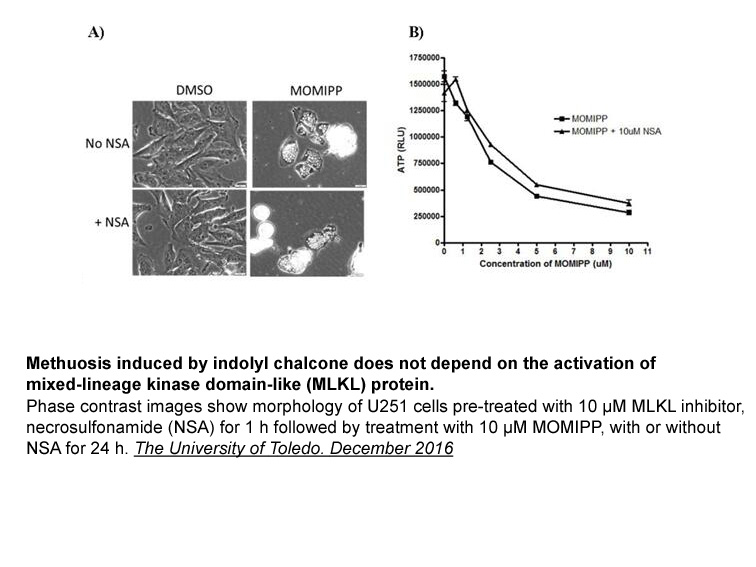
γ-Secretase modulators: a loss of pharmacology? A lack of translation from in vitro to in vivo pharmacology is an unresolved issue among most GSMs. R-flurbiprofen was tested in clinical trials, however, it did not achieve statistical significance on either of its primary endpoints – cognition or
-
First identified in as the second
2022-01-28
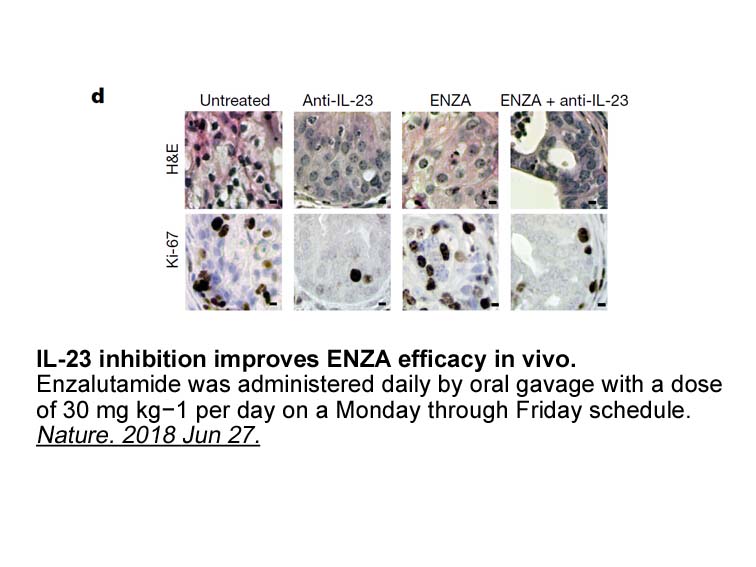
First identified in 1982 as the second mammalian glutathione peroxidase [23], we and Stockwell's group demonstrated in 2014 that the selenoperoxidase GPX4 is the key upstream regulator of ferroptosis [12], [13]. The role of GPX4 as the main regulator in the ferroptotic process is based on its unique
-
While IN inhibitors are a relatively new addition to the
2022-01-28

While IN inhibitors are a relatively new addition to the clinician's palette of drugs to formulate HAART regimes, resistance to both INSTIs and LEDGINs has been observed. For example, even within Australia where it is estimated that 25,313 people are currently living with HIV and the infection rate
-
Sodium Danshensu australia The synthetic pathway of the targ
2022-01-28

The synthetic pathway of the target compounds , , , and is presented in . The intermediate was synthesized according to a reported method. The intermediate was prepared by mixing UA with an equimolar concentration of KCO, a catalytic amount of KI, and more than two equivalents of 1,2-dibromoethan
-
br Experimental section The parts of chemicals and
2022-01-28
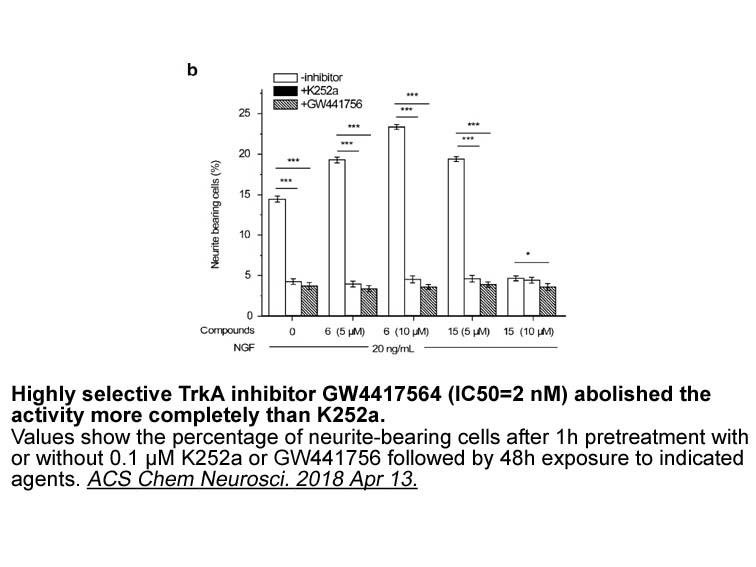
Experimental section The parts of chemicals and regents, preparation of solutions, pre-treatment of the bare Au electrode, cell culture, cytotoxicity in vitro, cell imaging, characterizations, and electrochemical measurements are supplied in the S1 (See the Supplementary Information). The prepara
-
feel uneasy Three main mechanisms have been proposed for the
2022-01-28
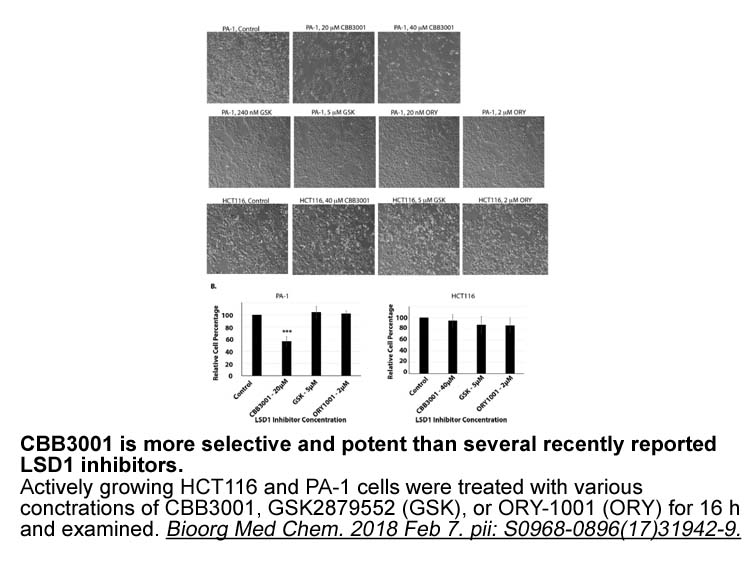
Three main mechanisms have been proposed for the secretion of active forms of hedgehog ligands: first, construction of a multimeric molecule with lipid moieties placed on the inside, making a soluble Hh protein which can diffuse from the membrane; second, function of dispatched proteins through pack
-
We also conducted analyses on the functional
2022-01-28
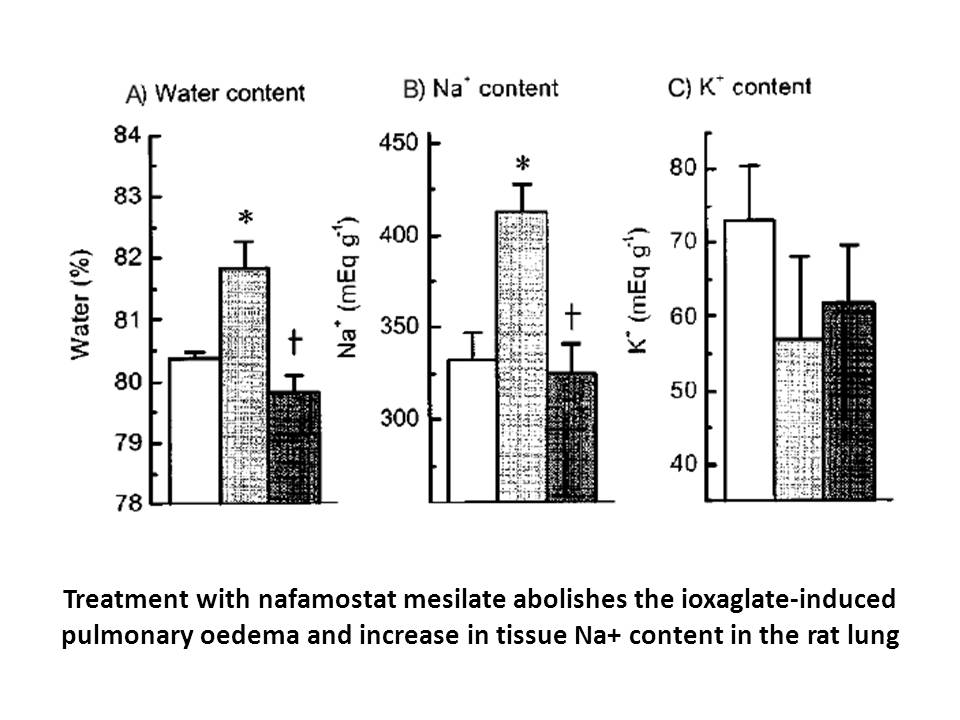
We also conducted analyses on the functional category of UP_Keywords and on KEGG pathways for further understanding. The UP_Keywords analysis (D) demonstrated that acetylation and phosphoprotein were highly enriched categories. KEGG pathways categories (E) of ribosome biogenesis in eukaryotes, DNA r
-
Organisms can adapt to increasing ROS production by up regul
2022-01-28
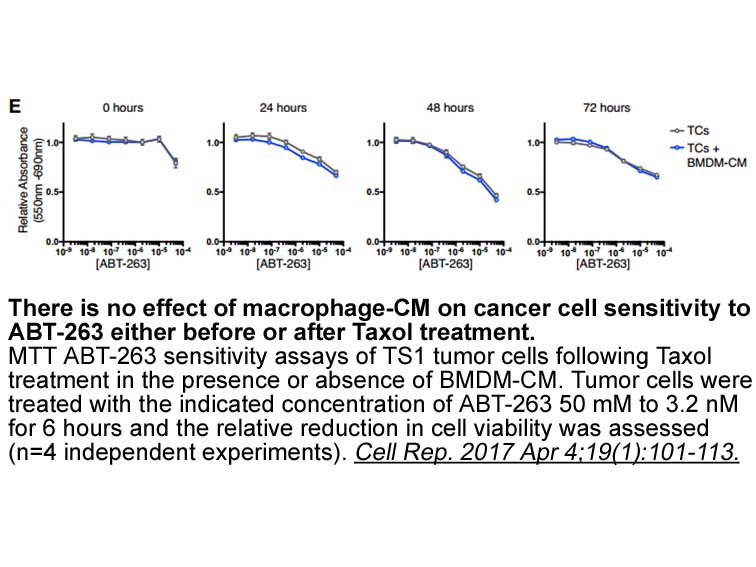
Organisms can adapt to increasing ROS production by up-regulating antioxidant defences, such as the activities of antioxidant enzymes (Livingstone, 2003). Failure of antioxidant defences to detoxify excess ROS production can lead to significant oxidative damage including enzyme inactivation, protein
-
br Pathophysiology of glaucoma Glaucoma is a group of optic
2022-01-28
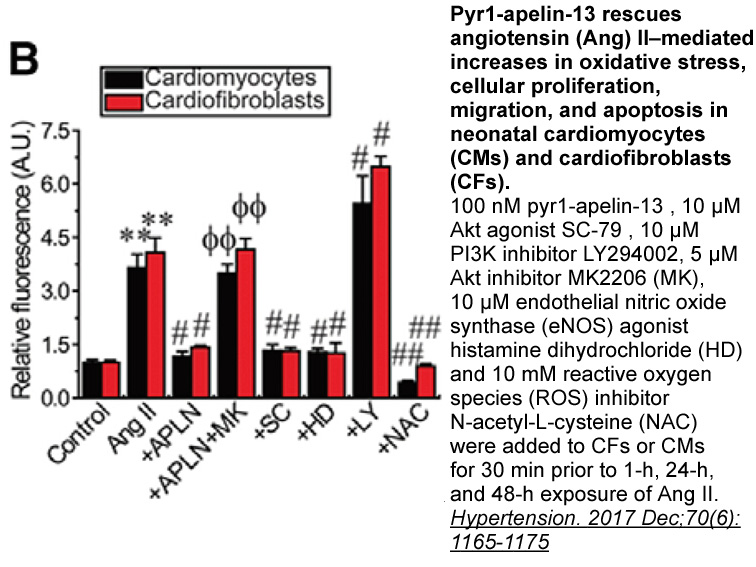
Pathophysiology of glaucoma Glaucoma is a group of optic neuropathies defined by progressive degeneration of RGCs and their proteasome inhibitor in the optic nerve, which leads to irreversible loss of vision [3,8,9]. RGC degeneration is often significantly advanced before changes in visual acuity
-
Many studies support that the increase
2022-01-28
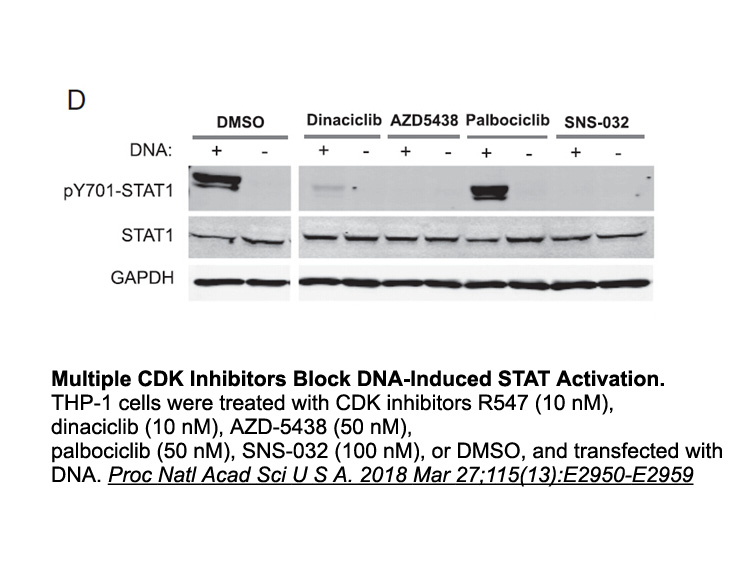
Many studies support that the increase of P4 improves embryonic survival and reduces embryonic losses in ruminants [6,[18], [19], [20]]. However, experimental results are variable, contradictory and often inconclusive results. Certain studies showed that administration of GnRH or hCG after artifici
-
As GLO is the major detoxification system
2022-01-28
As GLO1 is the major detoxification system of reactive dicarbonyls, it is plausible that differences in production and activity of the enzyme influences AGE production and the development and/or modulation of diabetic neuropathy. Glo1 exists as a copy number variant (CNV) in many inbred strains mice
8603 records 557/574 page Previous Next First page 上5页 556557558559560 下5页 Last page