Archives
- 2026-11
- 2026-10
- 2026-09
- 2026-08
- 2026-07
- 2026-06
- 2026-05
- 2026-04
- 2026-03
- 2026-02
- 2026-01
- 2025-12
- 2025-11
- 2025-10
- 2025-09
- 2025-03
- 2025-02
- 2025-01
- 2024-12
- 2024-11
- 2024-10
- 2024-09
- 2024-08
- 2024-07
- 2024-06
- 2024-05
- 2024-04
- 2024-03
- 2024-02
- 2024-01
- 2023-12
- 2023-11
- 2023-10
- 2023-09
- 2023-08
- 2023-07
- 2023-06
- 2023-05
- 2023-04
- 2023-03
- 2023-02
- 2023-01
- 2022-12
- 2022-11
- 2022-10
- 2022-09
- 2022-08
- 2022-07
- 2022-06
- 2022-05
- 2022-04
- 2022-03
- 2022-02
- 2022-01
br Introduction Local anesthetics LAs are a set of
2022-03-23
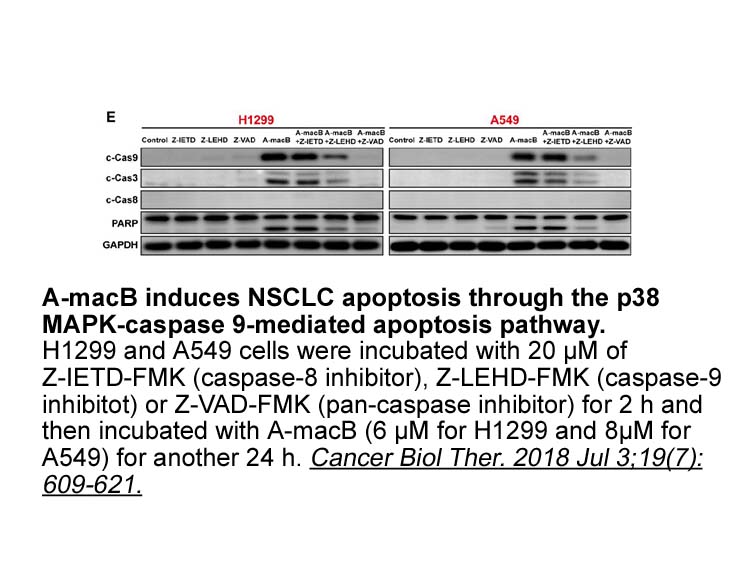
Introduction Local anesthetics (LAs) are a set of common medicines used for pain management in clinical settings. Up to now, LAs have been extensively used for peripheral nerve blocks, interventional spinal procedures, and epidural anesthesia [1]. In addition to their anesthetic and analgesic eff
The PAS and CC domains of sGC have been studied
2022-03-23
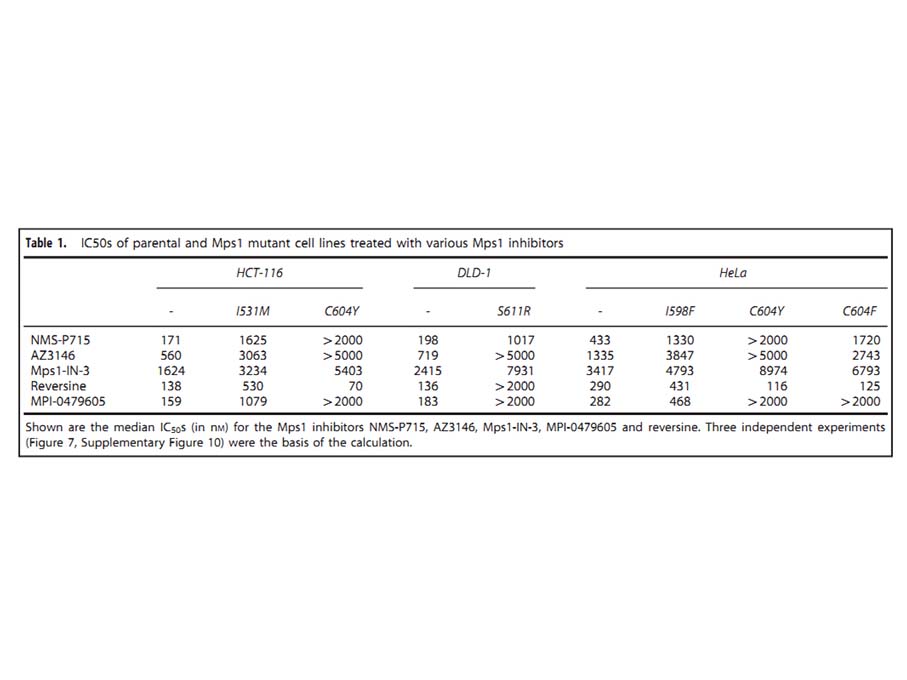
The PAS and CC domains of sGC have been studied less by comparison, though their function in sGC signal transduction is likely important. PAS domains are versatile as they can play varied roles in different proteins, such as quaternary structure organization, cofactor binding, and signal transductio
br Results and discussion br Conclusions In
2022-03-23
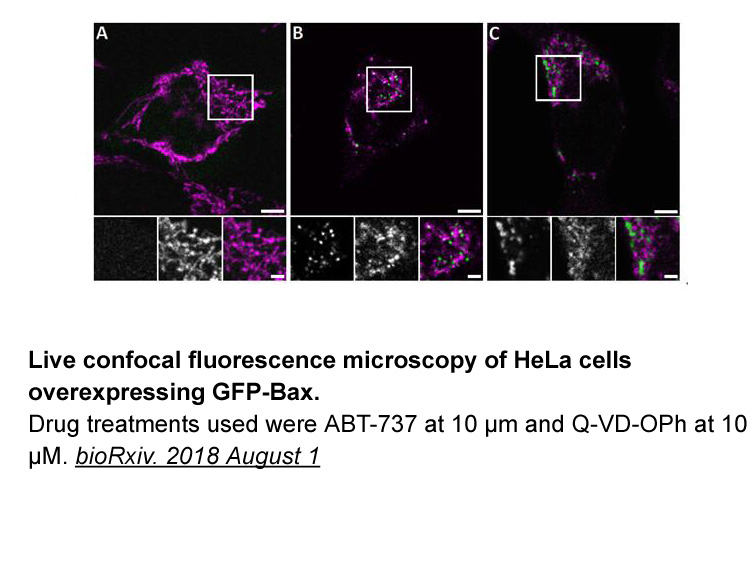
Results and discussion Conclusions In summary, we generated analogues of the hit compounds 1–3, studied their structure–activity relationships, and created a series of highly potent GPR55 agonists. The most potent agonists among the series were 17a-b, 17e, 17g and 17l with EC50 values below 10
Limited efforts were made to exploit the naturally occurring
2022-03-22
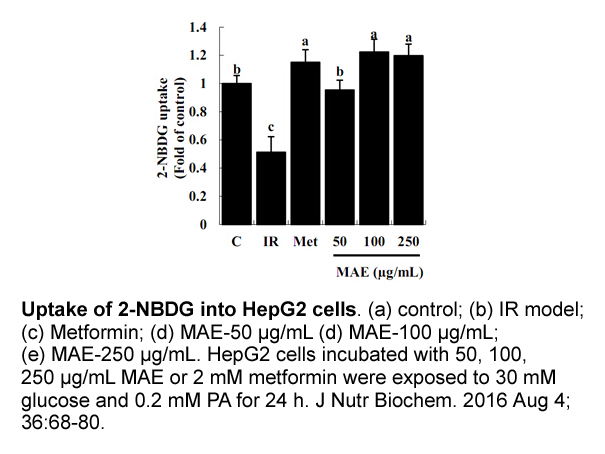
Limited efforts were made to exploit the naturally-occurring antigen-specific Treg for ex vivo expansion. This study sets up a reproducible protocol for the expansion of insulin-specific Treg isolated from NOD mice. These glycyrrhizin receptor exhibited higher suppressive capacity compared to the po
Several studies have shown that regulation of glutamate
2022-03-22
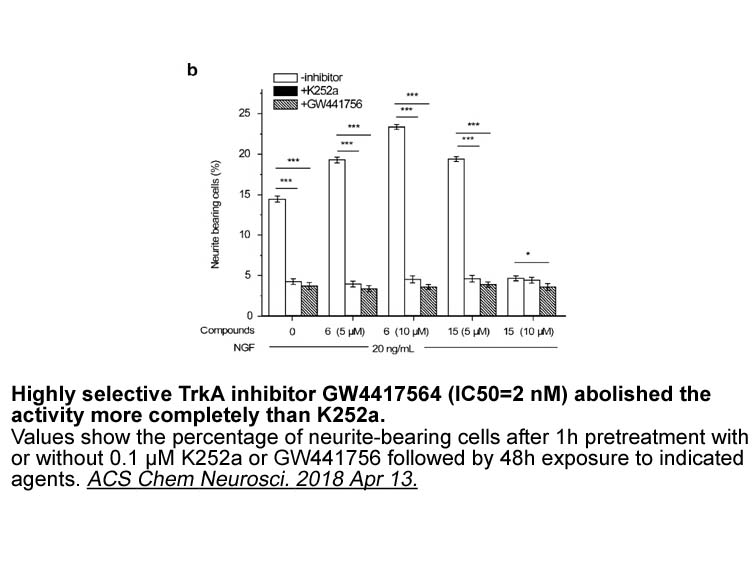
Several studies have shown that regulation of glutamate homeostasis is critical in relapse to many drugs of abuse [84,85]. Glutamate is transported by GLT-1, which accounted for about 90% of glutamate clearance from the synaptic cleft [14,15]. CEF is known to produce its effects through GLT-1 upregu
hdac inhibitors The structure and activity of
2022-03-22
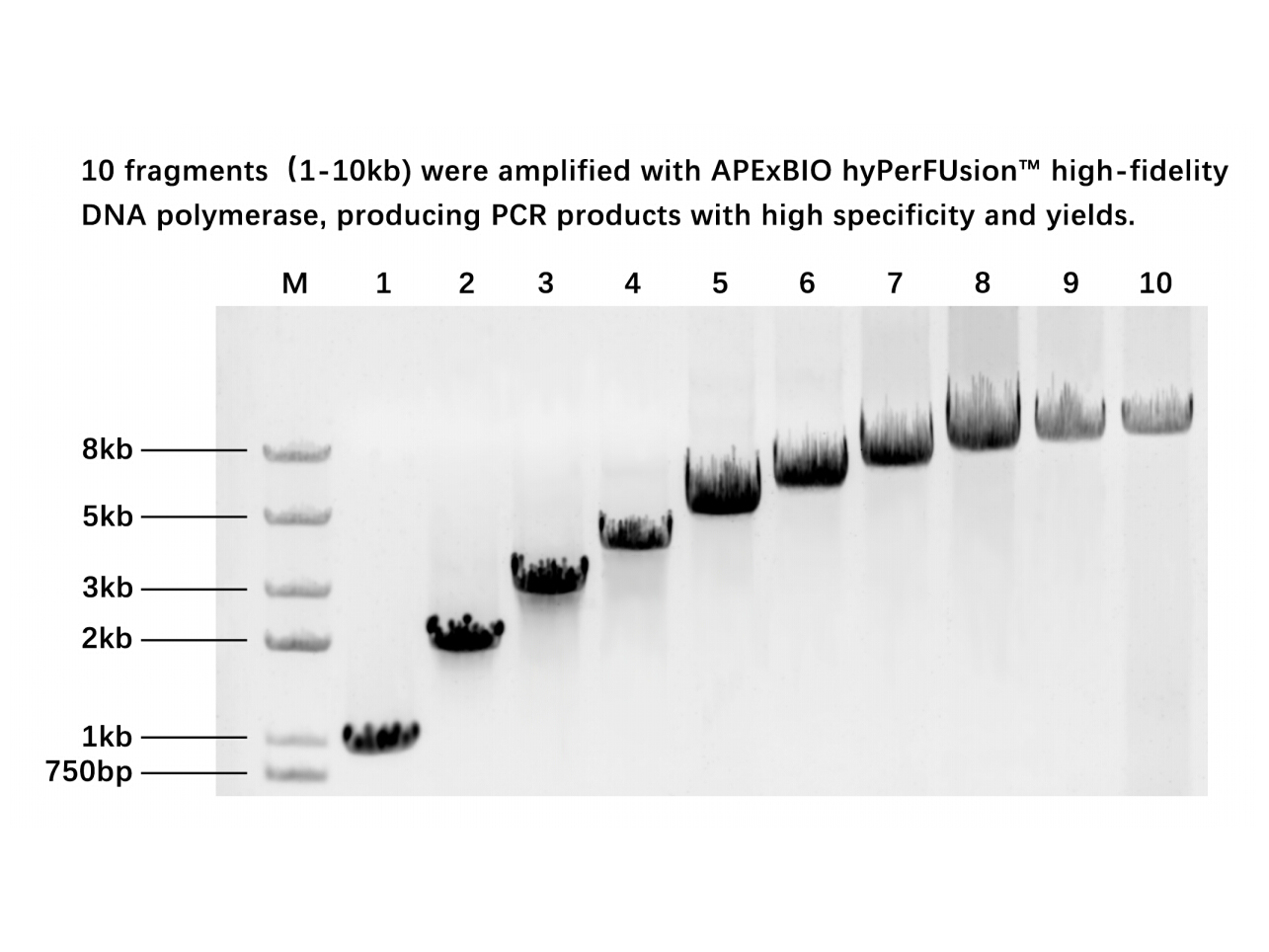
The structure and activity of GLUT1 has been most intensively studied in erythrocytes, in which this transporter makes up 10–20% of membrane protein content. Carruthers has shown that, while GLUT1 can exist and transport glucose as monomers, dimers and tetramers, in erythrocytes GLUT1 exists predomi
br Conclusion In conclusion SHP was demonstrated as
2022-03-22
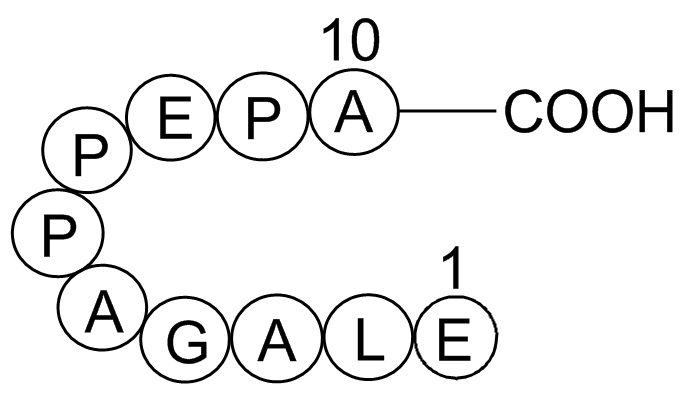
Conclusion In conclusion, SHP289-04 was demonstrated as a potent glucokinase activator. It could normalize the blood glucose level and lipid level in spontaneous type 2 diabetes model KKAy mice. At the same time, it ameliorated the function of islets and liver in KKAy mice. It had been proved to
br Introduction Glucokinase GCK hexokinase IV is a monomeric
2022-03-22
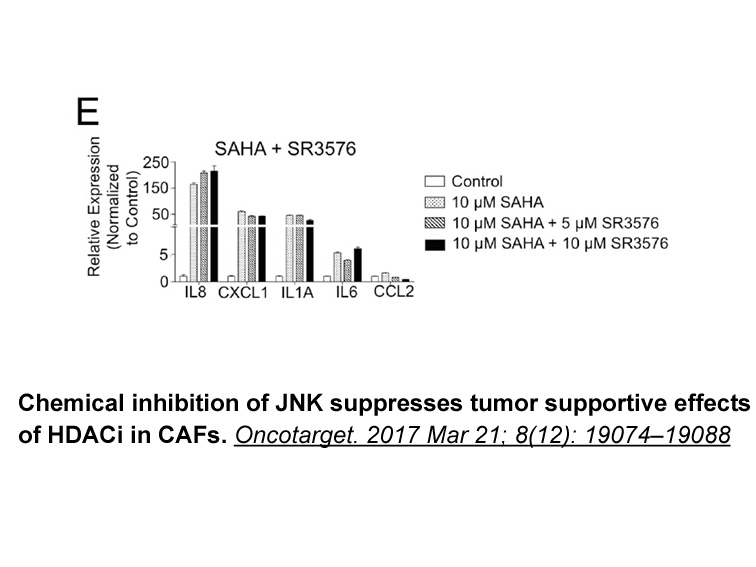
Introduction Glucokinase (GCK, hexokinase IV) is a monomeric enzyme that catalyzes the ATP-dependent conversion of glucose to glucose 6-phosphate, the first and rate-limiting step of glycolysis in the liver and pancreas [1,2]. GCK was first discovered in the early 1960's, and shortly thereafter i
br Summary br Acknowledgement br GR A
2022-03-22
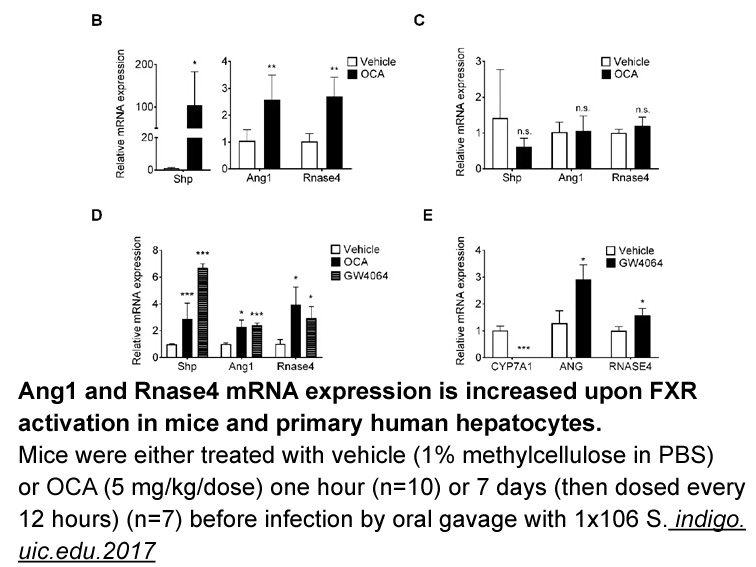
Summary Acknowledgement GR: A Nuclear Receptor with Widespread Physiological Impact GR, or NR3C1 (see Glossary), is a transcription factor (TF) that regulates gene expression in nearly every cell of the body. A member of the nuclear receptor (NR) superfamily, its ligand-binding domain confe
In summary this study shows that compound d
2022-03-22
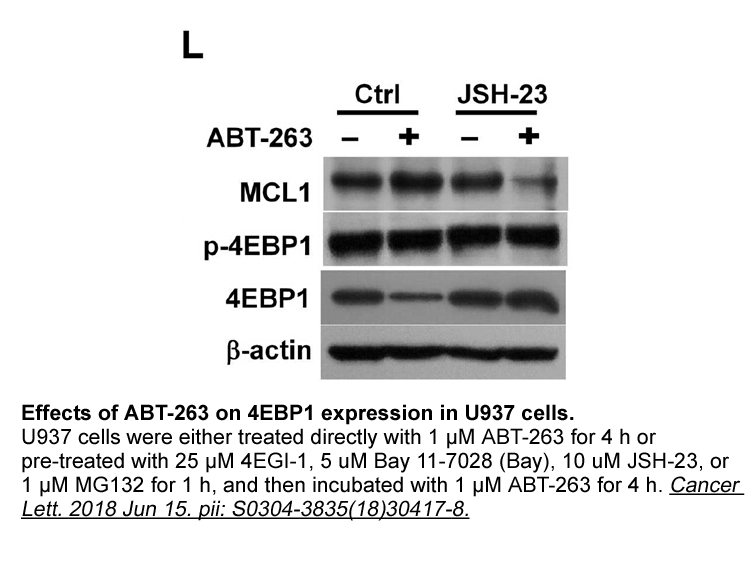
In summary, this study shows that compound 4d has strong clinical potential as an efficient GLP-1/GCGR agonist exhibits weight-lowering, lipid-regulation and diabetes-protective effects and plays an important role in the prevention and therapy of diet induced obesity and dyslipidemia. The present st
Receptors for glucagon Gcgr GLP Glp r and GLP Glp
2022-03-22
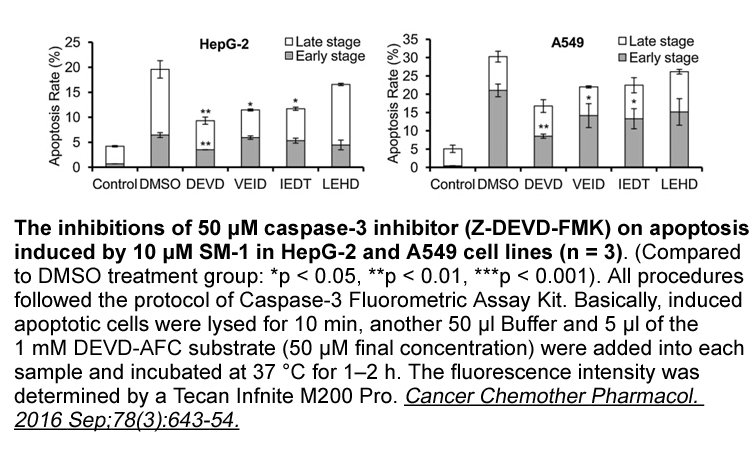
Receptors for glucagon (Gcgr), GLP-1 (Glp1r), and GLP-2 (Glp2r) are G-protein coupled receptors (GPCRs) belonging to class B-1 (secretin receptor-like) family of GPCRs (Harmar, 2001, Fredriksson et al., 2003). The mammalian Gcgr, Glp1r, and Glp2r genes, together with the Pirfenidone for the recepto
The lack of inhibition of K efflux
2022-03-22
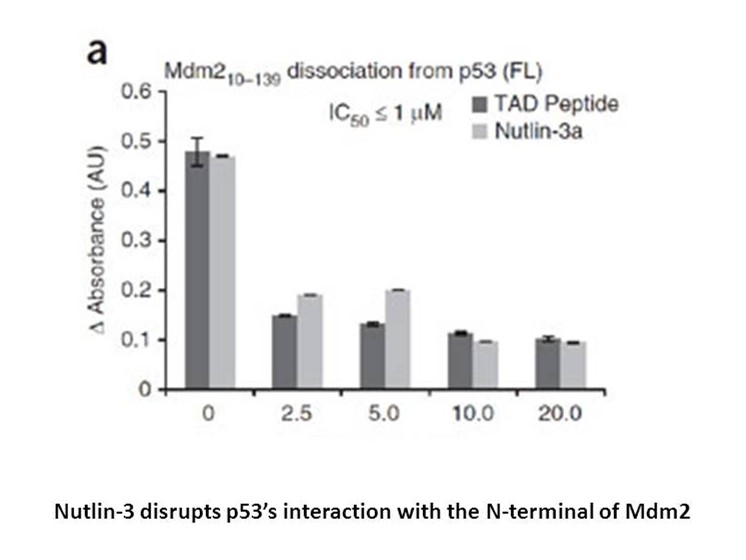
The lack of inhibition of K+ efflux in normal red cells reported by Fathallah et al. [16] was attributed by the authors to a lower level (about half) of membrane PKCα activity. In our experiments, single channel recording probably overcame this difficulty because of its molecular detection level. O
GPR which is also known as FFA receptor FFAR
2022-03-22
GPR40, which is also known as FFA receptor 1 (FFAR1 or FFA1), was identified as an orphan receptor in the search for novel human galanin receptor (GALR) subtypes in 1997. Using reverse pharmacology approaches measuring calcium transients, GPR40 were deorphanized and characterized as being activated
br Introduction The brain contains abundant fatty acids
2022-03-22
Introduction The brain contains abundant fatty acids, which serve as constituents of membranes and as an energy source. In addition, fatty acids and their metabolites contribute to signal transduction between neurons or neurons and glial cells, suggesting that fatty acids play a crucial role in d
br PEPCK This enzyme decarboxylates and then phosphorylates
2022-03-22
PEPCK This enzyme decarboxylates and then phosphorylates oxaloacetate to form phosphoenolpyruvate (PEP) in the second step of gluconeogenesis after the carboxylation of pyruvate catalyzed by PC. PEPCK1 (PEPCK-C, encoded by the PCK1 gene) and PEPCK2 (PEPCK-M, encoded by the PCK2 gene) are two isof
8685 records 535/579 page Previous Next First page 上5页 531532533534535 下5页 Last page